
Conceptual pit optimizations
Minebright developed a pit optimization software based on the pseudoflow algorithm. The concept was to allow users to ‘draw’ their pre-block-model resource in 3D. The software then discretizes the pseudo-wireframe, and calculates the ultimate pit shell based on the economic inputs provided.
Measured against traditional block-model pit optimization outputs, across the same targets.
- Difference in 'cash flow'
- −7%
- versus traditional block-model optimization
- Difference in 'metal'
- 2%
- Difference in 'total material'
- 6%
About pit optimization
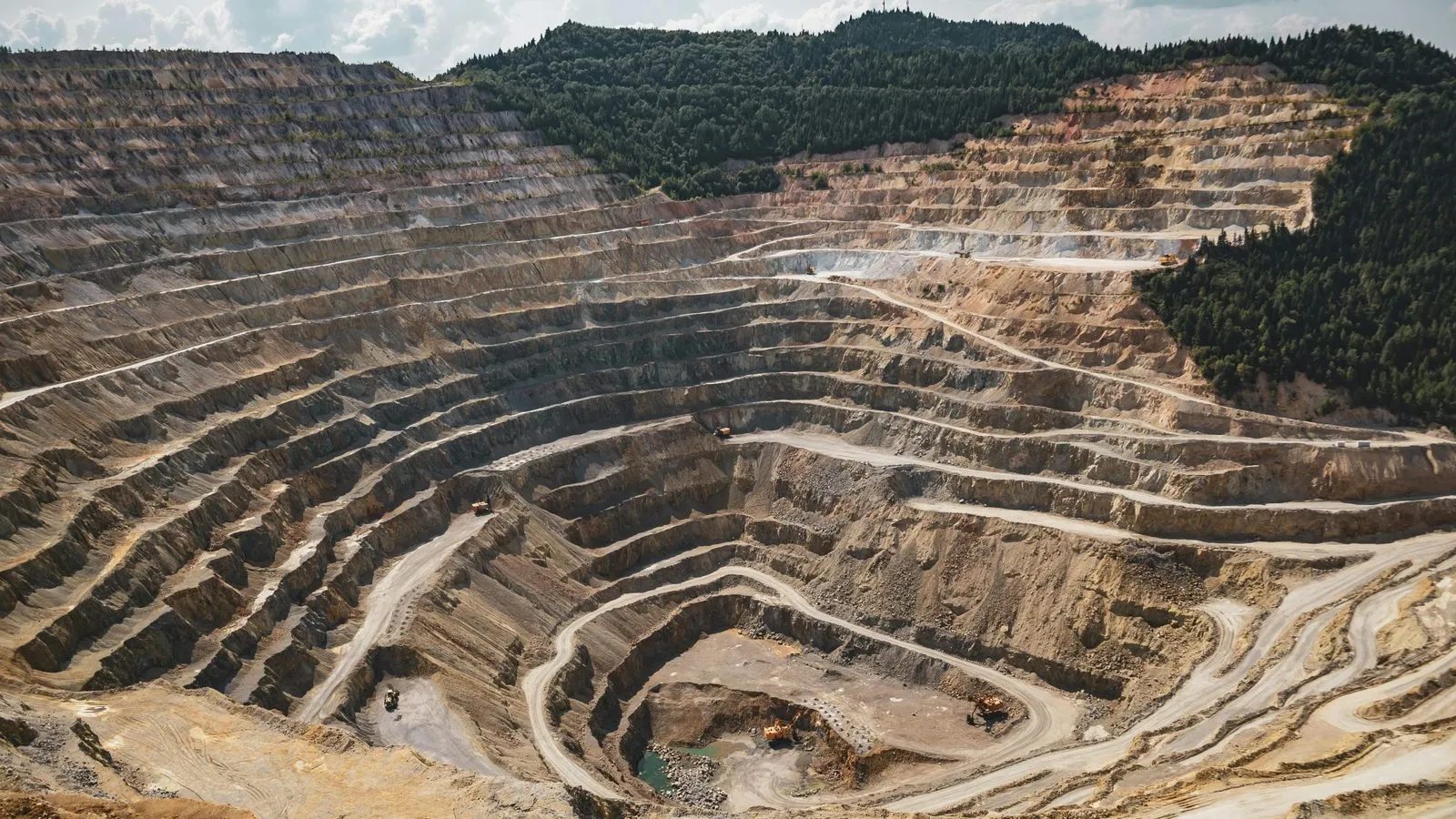
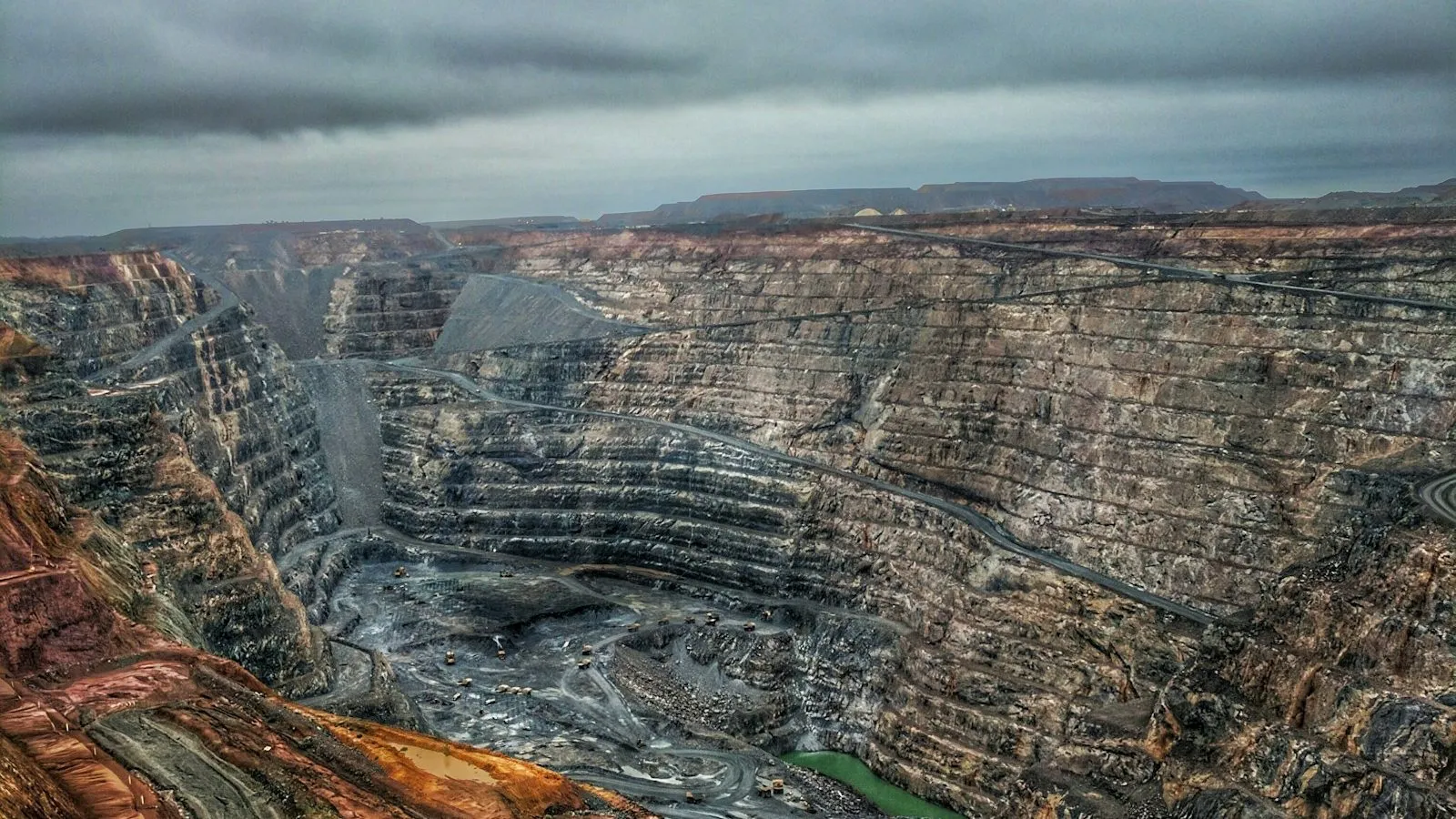
Pit optimization determines the most economically viable open-pit shape by analyzing block models. Algorithms like Lerchs-Grossman (graph theory-based) and Pseudoflow (network flow-based) identify the optimal blocks to extract, maximizing net value while accounting for slope constraints, extraction costs, and economic parameters to define the ultimate pit limit.
The problem
Exploration managers face the challenge of allocating spending to the most promising targets rarely considering the future economic feasibility of the deposit. This is sure to waste resources drilling deposits that will never see a haul road spending millions drilling targets that have a low chance of ever becoming a profitable mine.
Companies may set internal thresholds for minimum size and return, but for early to mid-stage exploration targets, geologists have few tools to test whether the deposit will meet these hurdles.
Why we built it
We wanted to create a tool where exploration managers could give financial reasoning for their target prioritization based on their current understanding of the deposit.
Terrabright was designed to to take simple geometric inputs when defining the resource such as strike length, average width, dip, and plunge repeated for however many zones of mineralization may exist.
When defining ore bodies not in terms of a block model, it allows users to conduct sensitivity analysis not only on economic inputs such as mining costs, but also on geometric parameters such as strike length, maximum depth, or average width. Instead of a single NPV, Terrabright was designed to provide a probabilistic value to the deposit.
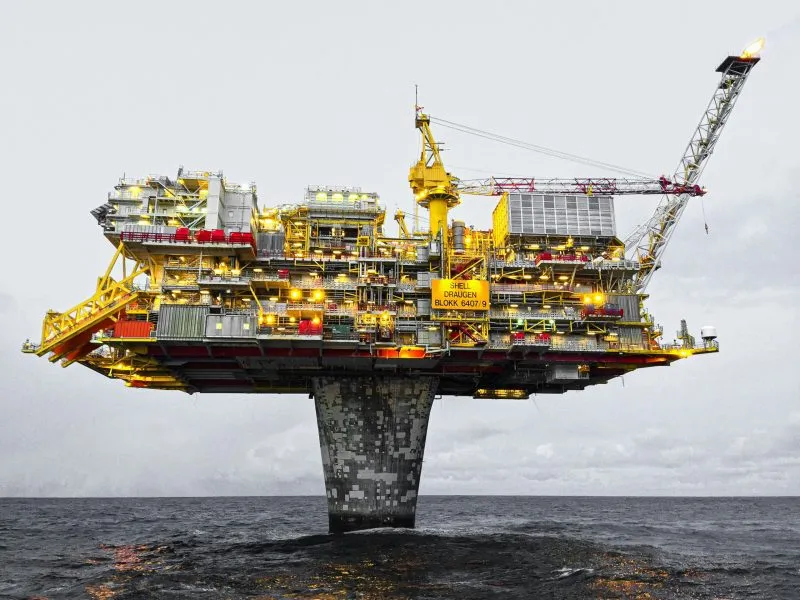
Oil and gas, our big brothers
In oil and gas, it has been realized that the systems between geoscientists, engineers, and economists is integrated and must be assessed as such. These discussions have been happening in O&G at least back to 1996. However, in mining, siloed expertise results in geoscientists focused on finding ‘mineralization’ with little or not attention paid to economic feasibility. We want to change that.
The solution
Terrabright is a web-based pit optimization software designed for exploration professionals. The goal was to help explorers prioritize targets, and communicate that reasoning to stakeholders.
Terrabright allows for sophisticated sensitivity analysis as well as the creation of drill progams where conceptual discovery costs are calculated based on the existing resource and the inputted cost of drilling.
The results
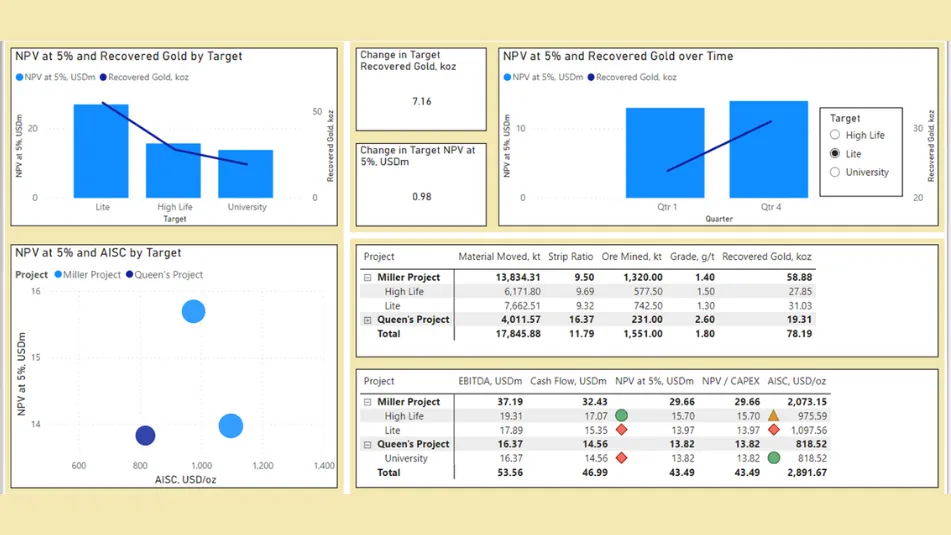
A blind study was conducted where a partnering gold mining company provided Minebright with the necessary inputs to conduct a pit optimization. The ore body was defined in terms of strike length, orientation, average width, starting depth, and maximum known depth of mineralization. All of the outputs from the Terrabright optimization had less than a 10% difference to the baseline Whittle Lerchs Grossman optimization.
J.H. Snow, A.G. Dore, D.W. Dorn-Lopez
Risk analysis and full-cycle probabilistic modelling of prospects: a prototype system developed for the Norwegian shelf (1996)